Henry Timpson 1789 – 1856 (TP7)
Years 1789 – 1817
Henry was born in Ringstead, Northamptonshire around late March or early April 1789 being the seventh of the ten children of Henry and Mary Timpson née Parker.
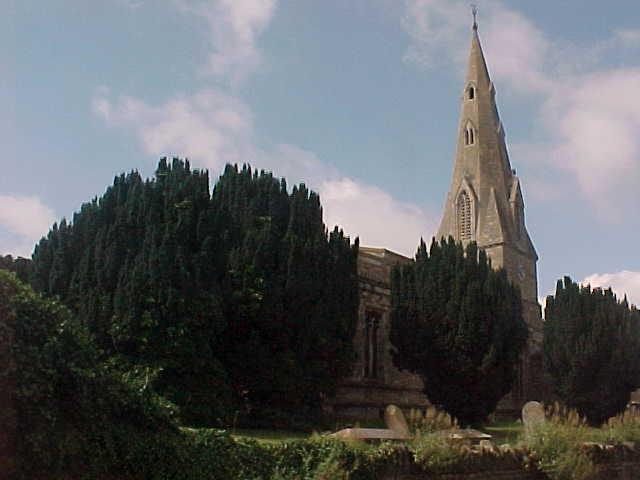
He was baptised under the name Henry Timpson at St Mary’s Church, Ringstead on 12 April 1789 by the Rev Isaac Gaskarth.
Henry would not have received any schooling and would remain unable to write but able to recognise a few written words throughout his life. His father Henry Timpson would most likely have been an agricultural labourer. The Ringstead parish registers for the period do not record an occupation for the entries unless the person was of at least some minor importance.
Family Life
What would life have been like for young Henry and the family with his father being an Agricultural Labourer at this time? The following composite article gives some idea.
In most households it was necessary for the whole family to contribute to the production of an adequate subsistence and not simply rely on the efforts of a single breadwinner. The labourer’s wife was usually a working woman, and children too were put to work at an early age. The children would be plaiting straw for several hours in the early morning, scaring crows, or weeding and picking stones from the fields. The girls were expected to work alongside their mother in a variety of handicrafts and household chores, including sewing, weaving and feeding hens. The boys, from about the age of seven, as they became stronger, would be working beside their father 10 or 12 hours a day, doing a full day’s hard work contributing to the family budget. Schooling was almost unheard of for the labouring classes, however, as the children worked beside their parents, they would learn about the weather, the seasons, the names of the animals and birds, and they could recognise the varieties of hedgerow berries and which were good food and which were poisonous. They also learned how to tend and take care of the farm animals and the land.
So how did the agricultural labourer manage to survive when times were hard and paid employment on the farm was scarce? Most families lived in small villages or hamlets and they depended on the land to support them. Their dependence was mainly due to the privilege of gathering fuel, by cutting bracken, turf, peat or brushwood. The hedgerows provided berries that could be eaten or turned into wine or pies, and nuts that could be gathered and stored, all of which added to the limited resources of the agricultural labourer. In Northamptonshire most labourers had good sized gardens where they could grow potatoes, beans and cabbages, or keep a pig, or a few chickens or geese which could be fed on almost anything. After the harvest was gathered in, gleaning the fields was a right, providing enough for a few loaves of homemade bread and some straw for bedding.
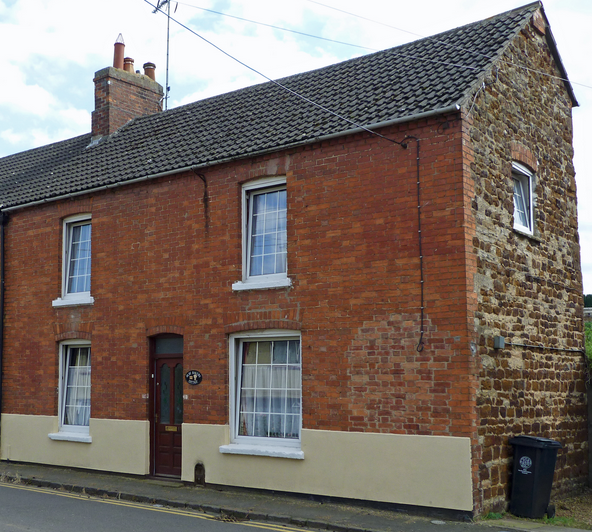
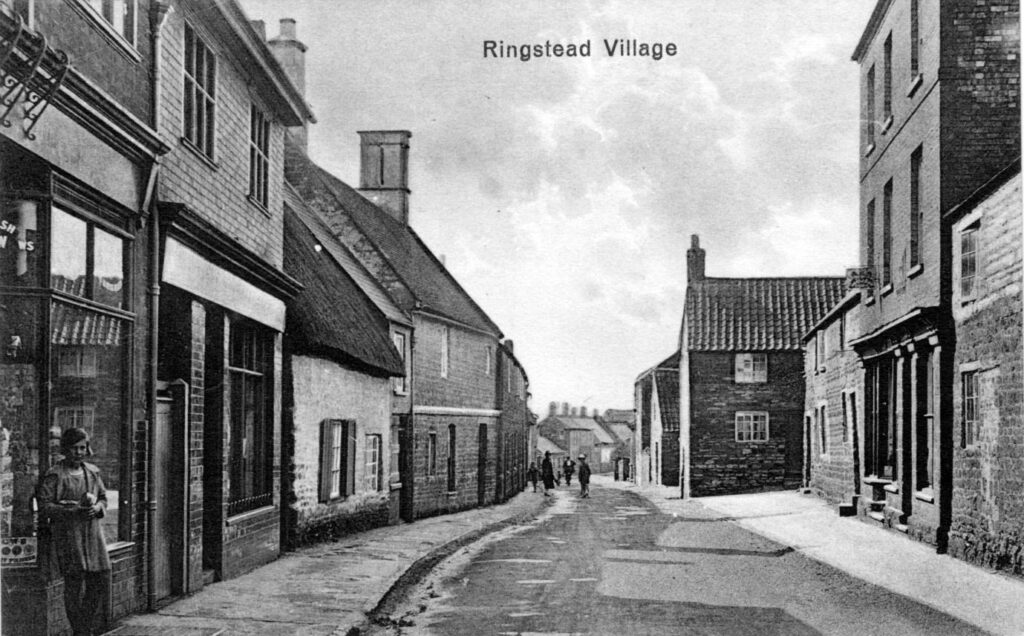
The family home would be a small rented cottage, with no water supply, other than a single pump situated in the village and serving the whole community. Washing clothes was a communal activity for the wives and daughters of the village.
Work at Ringstead
Henry at around seven years old would work alongside his father Henry on the Manor Estate.
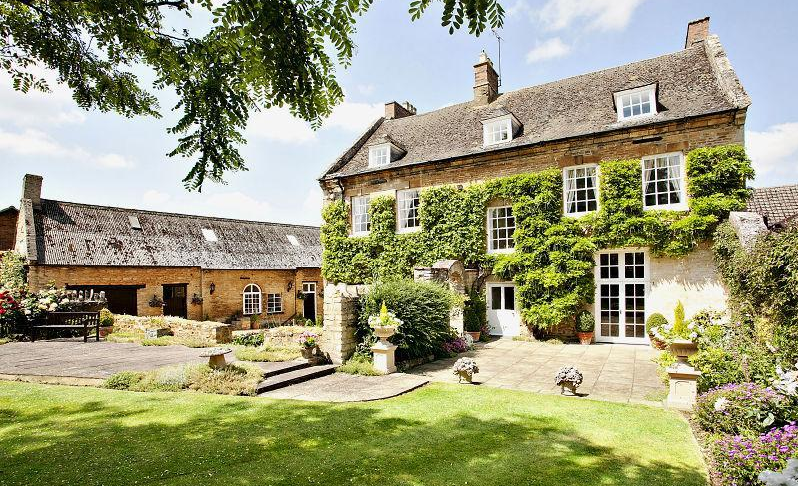
In 1769 Leonard Burton had purchased the local land including the Manor House and the right to be called Lord of the Manor for £1,500 and that still remains within the Burton family.
In most labouring families the day began about 5am. It was usual for the wife to arise earlier to prepare breakfast and the labourer’s mid-day lunch. Breakfast was usually the same each day and typically was two large hunks of bread put into a basin, sprinkled with salt over which boiling water was poured. This was known as “kettle broth”. Cereal and milk were too expensive for the average family to afford.
After breakfast the labourers would perhaps walk 2 or 3 miles to the farm. The working day began about 6am when all would gather in the courtyard to be instructed by the Farmer or Farm Bailiff. The days’ work began usually within half an hour of the day’s instructions being given. It was manual labour for the next eight to ten hours with only a short break taken for lunch, taken usually around noon.
Lunch was either chunks of bread with cheese and perhaps a pickle or salad, today known as a ploughman’s lunch or sometimes a clanger. The “clanger” had many variations, but was usually an elongated suet crust dumpling with a savoury filling at one end and a sweet filling at the other, comprising a main course and dessert in one package.
The savoury end was traditionally diced potatoes and vegetables with meat if available, and the sweet end was usually jam, or sweetened apple or other fruit. Traditionally the top of the pasty was scored with a few lines to denote the sweet end. Cold sweet tea was also taken as a drink.
The labourer’s including young Henry worked six days a week with only Christmas Day and Good Friday off.
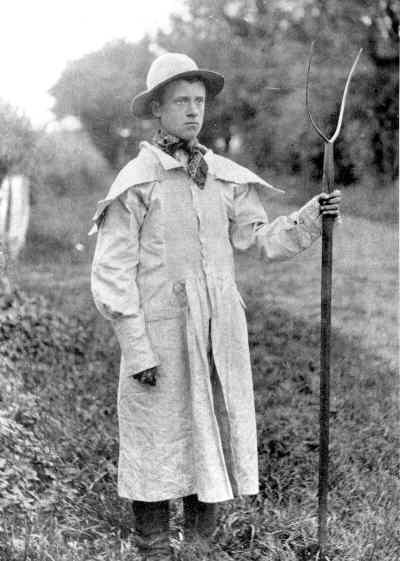
Leaving Home
At some stage there would have been insufficient work for young Henry to be paid at full rates at the Manor farm so he would have moved on picking up work at busy times like sowing and harvesting, possibly sleeping in barns.
He would go to all the “Mop” or hiring fairs looking for work and when he eventually found full time work look for a wife. (The hiring fair was useful institution, especially as much employment in rural areas was by annual agreement. Prospective workers would gather in the street or market place, often sporting some sort of badge or tool to denote their speciality.
Shepherds held a crook or a tuft of wool, cowmen brought wisps of straw, dairymaids carried a milking stool or pail and housemaids held brooms or mops; this is why some hiring fairs were known as mop fairs. Employers would look them over and, if they were thought fit, hire them for the coming year, handing over a shilling to seal the arrangement.)
Sometimes Henry would pick up a yearly hiring which would have included board and lodging for him as a single employee for the whole year with wages being paid at the end of the years’ service.
We cannot track him as in these early years because unless you broke the law you only appeared in parish records and the first we would expect to see him would be a marriage if and when he married.
So two things happened. Henry obtained a permanent position and got married in 1817 at the age of 28.